Calculate, Plan and Decide Without Paying Anyone a Rupee
Working out if a home loan fits your salary takes 30 seconds here. So does comparing SIP vs FD returns over five years, or figuring out how much tax you actually owe this year. Put in your numbers and get the answer. No registration, no waiting, no guesswork.
Tools People Open First




Built for Indian Earners, Not Global Templates
Every calculator here uses Indian formulas, Indian tax slabs, and Indian product names. We don't adapt foreign tools. We build ours from scratch.
Type your numbers and the answer appears. No loading screens, no "calculating" spinners, no waiting around. The math runs the moment you stop typing.
Your salary, your loan amount, your investment goals. None of it ever touches our servers. All calculations run locally in your browser and disappear when you close the tab.
No free trial that expires. No "basic plan" with locked features. No account required. Every tool on this site works fully and permanently at no cost whatsoever.
Three Steps. No Spreadsheets.
Most financial decisions get delayed because the math feels complicated. Our tools take care of the calculation so you can focus on the decision itself.
Whether you want to know your EMI on a 20-lakh loan or how much ₹5,000 per month will grow into over 10 years, there is a tool here built for exactly that question.
Put in your real loan amount, your actual interest rate, your actual tenure. A result that reflects your situation is the only one worth looking at.
Each calculator links to an article explaining what the number means and what to do next. Knowing your EMI is useful. Understanding whether you should take that loan at all is more useful.

Recently Added Financial Calculators
Check out our newest tools to help you make smarter financial decisions.


Financial Guides Written for Real People
No generic global advice. Every article is built around Indian incomes, Indian banks, and Indian tax rules.

How is RD interest calculated in India? Learn how monthly instalments earn interest for different periods and why your RD maturity amount may surprise you.

Saving ₹5,000 a month? Compare RD vs SIP over five years and see the difference between predictable returns and market-linked growth.

A 7% salary raise sounds good, but how much do you really gain after inflation? See India's latest data, salary figures and real-growth examples.

A 7% FD sounds solid, until tax and inflation take their share. See the real, post-tax, post-inflation return across three income slabs.
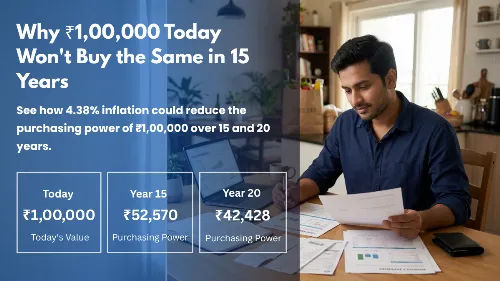
₹1 lakh today buys a lot less 15 years from now. See the real math behind inflation impact on savings in India, free and anonymous.
Things People Ask Before They Start
Why We Built Fintool Baba
Most financial calculators you find online are built for American or British users and then awkwardly adapted for India. They talk about 401(k)s instead of PPFs, mortgage points instead of processing fees, and federal tax brackets instead of Indian income tax slabs. When we could not find tools that felt genuinely Indian, we built them ourselves.
Every calculator on this site starts with an Indian use case. The EMI calculator uses the standard reducing-balance formula that every Indian bank applies. The income tax tool covers both the old and new regime as they exist today under the Income Tax Act, not a generic approximation. The SIP calculator compounds monthly because that is how Indian mutual fund SIPs actually work.
The guides follow the same principle. We do not write generic articles about how to invest and then add a paragraph about India at the end. We write about what a salaried employee in Pune should do differently from a freelancer in Bengaluru. We explain what actually changes when you switch from the old tax regime to the new one. We cover the small print that banks and insurance companies prefer you did not read.
If you notice any inaccurate or outdated information, please use the contact page to reach me. I appreciate your feedback and will review and update the content as appropriate.